When the heat or A/C goes out, ICF homes maintain steady room temperature far longer than any other wall assembly. This remarkable thermal performance is just one of the many benefits that make Insulated Concrete Form construction the smartest choice for Texas homeowners.
ICFs are gaining popularity as a home building material, and as demand for high-performance homes increases, so does interest in this construction method. They offer a host of benefits—from lower energy bills and faster construction times to decreased maintenance and quieter interiors—but the primary reasons behind their growing popularity are their remarkable energy efficiency and strength.
What is ICF? Insulated Concrete Forms consist of two rigid EPS foam panels that sandwich a core of reinforced concrete. The concrete provides exceptional strength and thermal mass; the foam provides continuous high-performance insulation and doubles as an ideal substrate for finishes.
Energy Efficiency: Cut Your Bills in Half
The actual energy performance of an ICF wall far exceeds its nominal insulation value, both in the lab and in the real world. This is due to a combination of three factors:
Higher R-Values, Continuous Insulation
EPS foam is one of the best insulating materials ever invented. Imagine a disposable foam cup, where 1/8 inch of EPS foam is all it takes to comfortably separate your hand from a scalding drink. ICFs typically have five inches of EPS insulation with tested values of R-22 to R-26. Some manufacturers offer even thicker sidewalls with values of R-32 or R-40.
Unlike frame construction where the average wall is 25% wood (reducing "whole wall" insulation value), ICF insulation is continuous—no thermal bridging, no gaps, no installation mistakes.
Airtight Construction
R-Values don't accurately reflect real-world conditions because lab tests don't consider airflow through the wall. Anyone who has lived in a drafty house when a winter storm howls outside knows how significantly air infiltration affects heating bills.
Efficiency experts use a blower-door test to measure air changes per hour (ACH). A modern, well-built wood frame house typically tests at 3-6 ACH. ICF homes typically test at less than 0.5 ACH. Even hurricane-force winds can't force their way through solid concrete.
Thermal Mass Benefits
Historic adobe buildings in the American Southwest have pleasantly cool interiors even when the hot summer sun has been beating down for hours. The secret is in their massive walls that take hours to heat up. When the sun sets, the stored-up heat keeps the interior pleasant through the night.
Like adobe, ICF walls take advantage of thermal mass. Even a modest ICF home uses dozens of yards of concrete, creating thermal lag that moderates temperature swings naturally.
Bottom Line: ICF construction generally cuts energy bills in half. With quality windows, adequate attic insulation, and properly-sized HVAC, savings can be even greater.
Disaster Resistance: Built to Survive
ICF homes offer a level of safety no other building system can match. They are more than 10 times stronger than framed structures, and several times stronger than CMU "cinder block" construction. It's a natural result of having exterior walls with a core of solid, steel-reinforced concrete.
Tornado & Hurricane Protection
ICF walls can withstand winds over 250 mph and resist flying debris. The military and law enforcement favor ICF construction because it offers ballistic and blast protection. FEMA specifically recommends ICF for safe rooms and disaster-resistant construction.
Fire Resistance
When a raging wildfire swept through San Diego suburbs in 2007, it destroyed more than 2,000 residences. On one street in San Bernardino, every home was burned to the ground—except three ICF homes, which stood virtually unscathed amid the charred wreckage.
Contrary to popular belief, the foam used in ICFs will not burn. It will melt if exposed to extreme heat, but it will not contribute fuel to a fire. The foam is "self-extinguishing" thanks to flame retardants added during manufacturing.
Flood & Storm Surge
A beachfront ICF home in New Jersey withstood Superstorm Sandy while neighboring homes were reduced to rubble. A Gulf Coast ICF house survived a 20-foot storm surge from Hurricane Katrina that swept the rest of the neighborhood down to bare foundations.
Sound Absorption: Enjoy the Quiet
In a survey of 75 ICF homeowners about features they appreciated most, energy efficiency and disaster resistance topped the list. But more than 60% mentioned the quietness of their homes, versus only 2% of wood frame counterparts.
Homeowners consistently tell two stories:
- "I looked out the window and saw the traffic on the road, but I couldn't hear it."
- "My neighbor asked if the thunderstorm woke me up too. Until that moment, I never realized we'd had one."
Most ICFs with a six-inch concrete core have STC ratings of 50-55, meaning only about one-quarter to one-eighth as much sound penetrates an ICF wall compared to wood frame. This has made ICF popular for multiplex cinemas and apartment buildings where sound transmission between units must be eliminated.
Lower Insurance Costs
The insurance industry has set up programs to encourage more durable construction. The Fortified...For Safer Living program specifically encourages ICF use. In many areas, insurance companies offer discounts of 10-25% for ICF homes or "Fortified" certification.
When you combine reduced insurance premiums with energy savings, the monthly cost of living in an ICF house can actually be less than a traditional wood-frame home.
Design Flexibility
There's no need to compromise on aesthetics. Architects can design an ICF home to look just like a wood-frame house while taking advantage of all the added benefits. ICF is compatible with all popular finishes:
- Stucco — The foam substrate is perfect for cement-based stucco or textured acrylic finishes
- Brick & Stone — Applied more easily to ICF than frame, with no additional vapor barrier needed in most regions
- Siding — Vinyl, wood, or cement board fastens directly to ICF furring strips
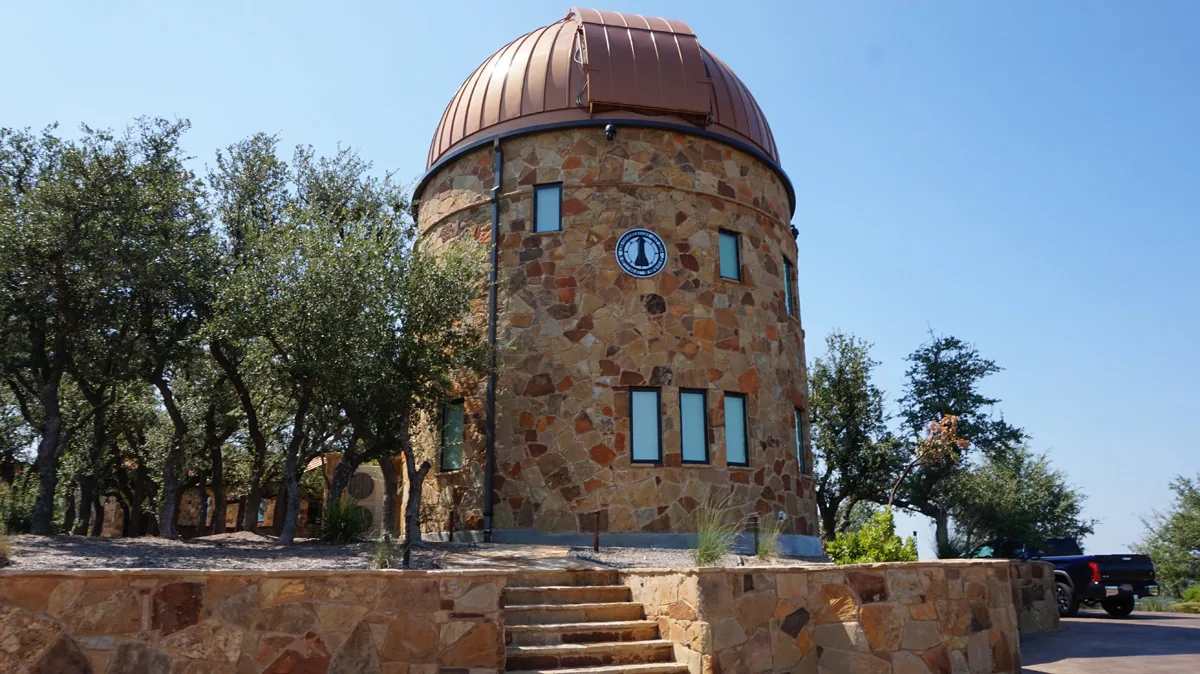
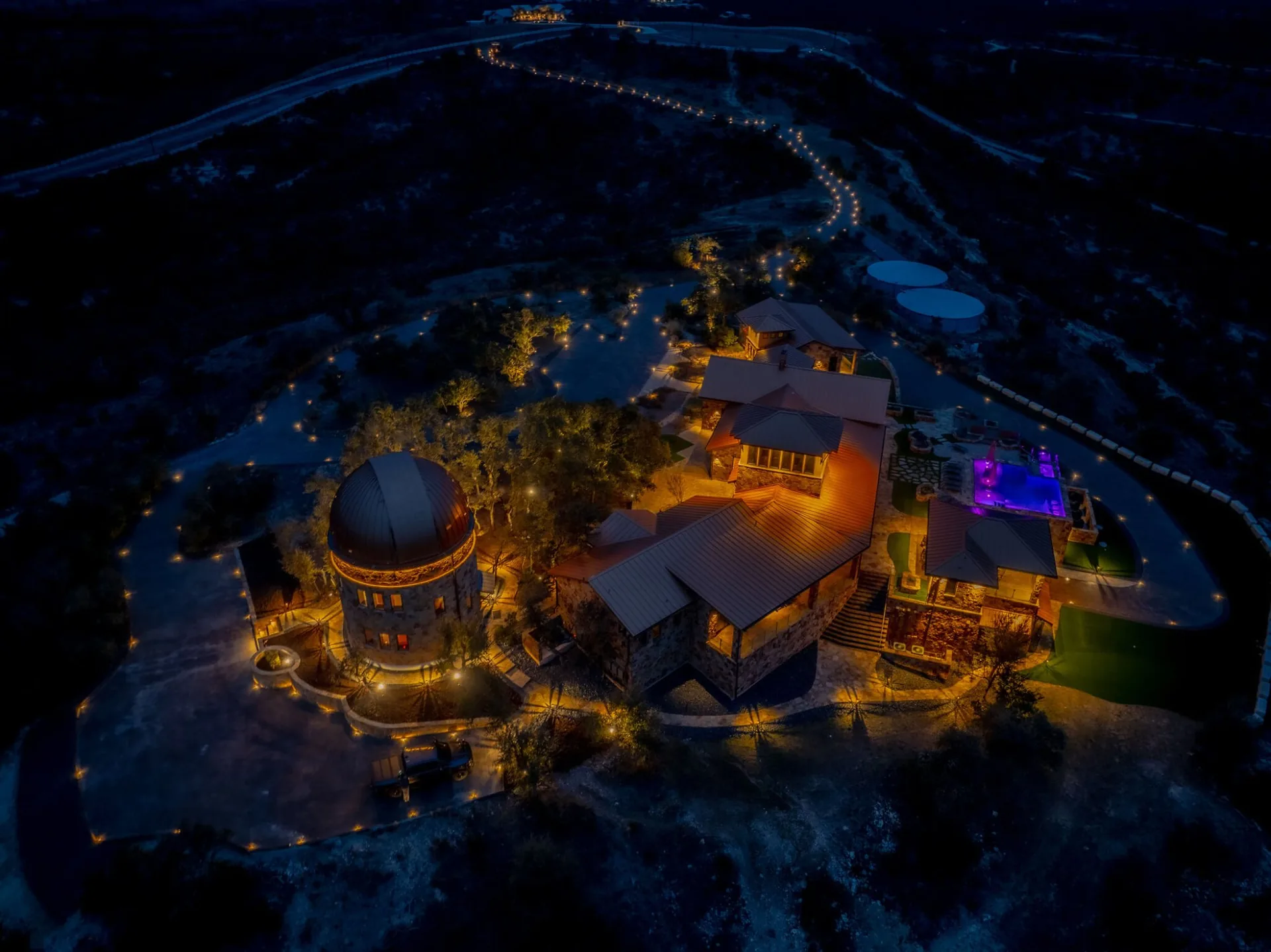
Long clear spans, large windows in seismic zones, and unusual shapes like curves (see our GSR Observatory project) are all possible—and often easier—with ICF.
True Cost of ICF Construction
In most areas, the cost of ICF construction is only slightly more than wood frame—nationally estimated at 3-5% more to build. That's about $10,000-$15,000 more for a $300,000 house.
Financed with a conventional 30-year loan at 6%, that amounts to roughly $60-90 additional on the monthly mortgage. However, because you'll save at least that much on energy bills, the actual monthly cash outlay is often less.
All the other benefits—disaster-proof walls, quiet interiors, reduced maintenance, and lower insurance—are added bonuses at no extra cost.
Ready to Build with ICF?
Austin Touchstone Builders is Central Texas's premier ICF home builder. Let us show you how ICF construction can work for your project.
Get a Free ConsultationIs ICF Right for You?
ICF construction makes sense for homeowners who value:
- Long-term energy savings and comfort
- Protection from Texas severe weather
- Quiet, peaceful living spaces
- Durable, low-maintenance construction
- Healthier indoor air quality
- Higher resale value
As a DOE Zero Energy Ready certified builder and Nudura ICF specialist, Austin Touchstone Builders has the expertise to guide you through every step of building your ICF home. Contact us today to discuss your project.